
Introduction
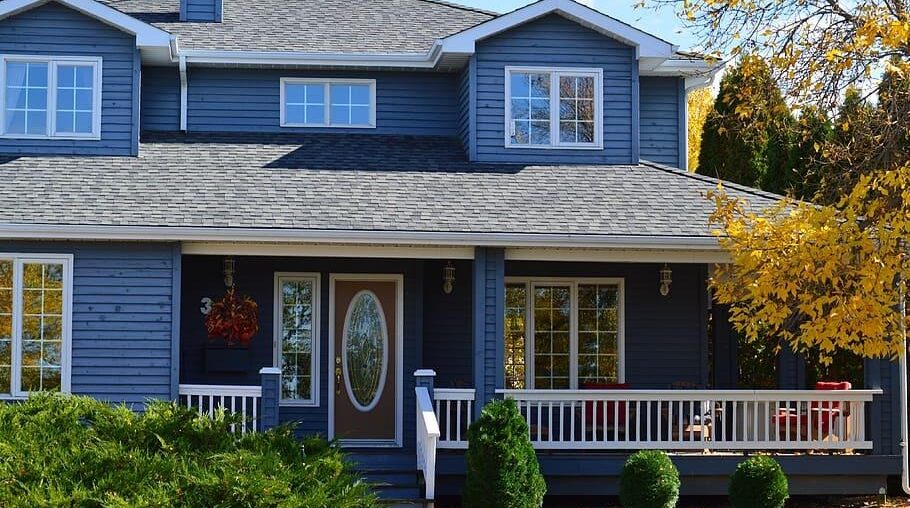
Residential wayfinding is the quiet system that helps people understand where to go before they reach the front door. It includes visible address numbers, a clear driveway entrance, a readable mailbox, practical lighting, open sightlines, and exterior details that guide attention naturally toward the home. When these elements are planned well, visitors feel confident, delivery drivers work faster, and emergency personnel can identify the correct property with less hesitation.
A home does not need commercial-style signs to be easy to find. The strongest residential wayfinding is subtle, organized, and connected to the architecture. It gives people the information they need without making the exterior feel cluttered. A readable address display, a clean mailbox area, and a clear path from the street to the entrance can transform the way people experience the property. The goal is simple: reduce confusion before it begins.
Why Residential Wayfinding Matters
Most people approaching a home make quick decisions while moving. A driver may only have a few seconds to compare the address on a phone with what appears on the property. If the house number is hidden, the mailbox is faded, or the driveway entrance is unclear, the visitor may slow down, pass the home, or stop at the wrong place. These small delays are common, but they are also preventable.
Better wayfinding improves everyday function. It helps mail carriers, package couriers, rideshare drivers, guests, contractors, and service providers locate the property quickly. It also supports emergency access when time matters most. A home that communicates clearly from the street is easier to identify, easier to approach, and easier to navigate. Good wayfinding is not decoration. It is the exterior doing its job with a clean little salute.
What Feature Creates the Clearest Visual Reference Point for a Home?
Residential wayfinding depends on the ability to identify a property quickly from the street. Visitors, delivery drivers, contractors, and emergency personnel typically make navigation decisions while moving, which limits the time available to search for identifying information. A property that lacks a clear visual reference point often creates hesitation, missed turns, or unnecessary delays. Among the exterior features that improve recognition, Modern House Numbers provide one of the most effective reference markers because they communicate essential location information in a format that remains easy to recognize from a distance.
A successful wayfinding system reduces the effort required to confirm a destination. Clear address displays help people distinguish one property from neighboring homes and create confidence that they have arrived at the correct location. The visibility of address information becomes especially important in areas where architectural styles, lot sizes, or building layouts appear similar.
Recognition also depends on consistency. A prominent number display establishes a predictable location where address information can be found, allowing drivers and visitors to process information more efficiently. This consistency improves navigation across a wide range of conditions, including low light, unfamiliar neighborhoods, and time-sensitive situations.
The most effective exterior identification features serve both practical and visual purposes. A clearly visible address marker strengthens property recognition while contributing structure and organization to the exterior environment. By creating an immediate reference point for anyone approaching the residence, it improves navigation accuracy and supports a more intuitive wayfinding experience.
Start With the Street View
The best way to improve wayfinding is to study the property from the position where people first see it. Homeowners should stand across the street, approach from both driving directions, and notice what appears first. Is the address visible? Does the mailbox help confirm the location? Is the driveway entrance clear? Can the front door be identified without guessing? These questions reveal whether the property is guiding people or forcing them to search.
Wayfinding also connects with the broader idea of home technology and practical property systems. Smart devices, lighting, cameras, and access features can all support a smoother arrival experience when planned carefully. Homeowners interested in how technology shapes modern living can explore home technology for residential spaces as part of a larger approach to making the property more usable, visible, and responsive.
Make the First Visual Cue Obvious
A good wayfinding system gives people one clear first cue. This may be the address numbers on the façade, the mailbox near the road, a driveway marker, or a well-lit entry. The cue should not be hidden behind plants, columns, parked vehicles, or decorative objects. If the first cue is difficult to find, everything after it becomes slower. The address should act like the opening line of the property’s introduction.
Use Mailboxes as Secondary Identification Points
A mailbox can play an important role in residential wayfinding, especially when the home is set back from the road or partially hidden by landscaping. Clear mailbox numbers help drivers confirm the property before reaching the driveway. This is particularly useful in neighborhoods where homes have similar façades or where house-mounted numbers are difficult to see from the street.
A mailbox should be functional, readable, and visually connected to the home. Homeowners looking to improve curbside presentation can review ideas for mailbox curb appeal improvements to understand how this small feature can support both recognition and exterior style. The strongest mailbox areas are clean, visible, and framed by landscaping rather than swallowed by it.
Avoid Overcrowding the Curbside Area
Mailbox gardens, seasonal signs, flags, and decorative edging can make the curb area more attractive, but they should never block the address. If plants grow across the numbers or decorative items crowd the mailbox, the identification value drops. A good curbside arrangement leaves open space around important markings. The mailbox should look finished, not camouflaged like it joined a leafy witness protection program.
Guide People From the Road to the Entry
Once the property has been identified, the next step is guiding people toward the correct entrance. A visible walkway, clean driveway edge, porch lighting, and uncluttered entry help visitors understand where to go. This is especially important for homes with side entrances, deep porches, detached garages, or multiple doors. If the main entry is not obvious, guests and service providers may hesitate even after finding the right address.
Pathways should be readable in both daylight and evening conditions. Edging, lighting, plant placement, and door visibility all contribute to the route. A front door that is hidden behind heavy landscaping may look private, but it can weaken wayfinding. A balanced entry creates enough visibility to welcome visitors while preserving the home’s design character.
Lighting Turns Wayfinding Into a 24-Hour System
A property that is easy to identify during the day can become confusing at night if the address, mailbox, driveway, or entry is not properly lit. Porch lights often brighten the door but fail to illuminate the house numbers. Landscape lights may highlight plants while leaving the address in shadow. Wayfinding lighting should support the actual points of identification.
Useful lighting does not need to be harsh. A wall light near the numbers, a subtle fixture near the mailbox, or low path lighting can make the property easier to read after sunset. The key is to test visibility from the street. If the address cannot be recognized at night from a realistic distance, the lighting plan needs adjustment.
Brand Section: Address Details as the Center of Residential Wayfinding
Modern address numbers are central to residential wayfinding because they provide the clearest and most familiar identification point. They help people confirm the property quickly while also contributing to the front elevation’s visual structure. When the numbers are well placed, properly scaled, and coordinated with exterior finishes, they become both useful and architectural.
The strongest address displays are not chosen by style alone. They are planned around sightlines, distance, lighting, contrast, and the way people approach the home. A refined number display can support contemporary, traditional, transitional, or rustic exteriors when it fits the property’s design language. Good address details make the home easier to find without making the exterior feel over-marked.
Maintain Visibility Over Time
Wayfinding is not finished after installation. Plants grow, paint fades, lights burn out, mailboxes get dirty, and seasonal décor can block important details. Homeowners should review the property from the street every few months. The address should remain visible, the mailbox should remain readable, and the path to the entry should stay clear.
Simple maintenance can protect the whole system. Trim branches, clean numbers, adjust lighting, remove visual clutter, and check visibility after dark. These small habits keep the exterior communicating clearly. A property that stays easy to identify is more convenient for everyone who approaches it.
Conclusion
Better residential wayfinding comes from clear address visibility, logical placement, readable mailbox markings, practical lighting, and an obvious route to the entrance. Each feature helps people understand where they are and where they should go. When these elements work together, the property becomes easier to identify from the street and easier to navigate once visitors arrive.
Homeowners can improve wayfinding without making the exterior feel commercial or cluttered. A visible address display, clean curbside marker, open sightlines, and thoughtful lighting are often enough to make a meaningful difference. The result is a home that communicates clearly, welcomes confidently, and helps every visitor, driver, and responder find the right place faster.








Leave a Reply