
In recent years, home decoration has transformed from a simple task of arranging furniture into a sophisticated blend of art, technology, and personal expression. Homeowners are increasingly seeking unique ways to personalize their spaces, reflecting their style, values, and lifestyle. Amid this evolution, platforms like decoradhouse have gained prominence, offering inspiration, products, and practical guidance to homeowners and interior design enthusiasts.
The term decordhouse has become synonymous with modern home design ideas, innovative decoration solutions, and curated content that helps individuals elevate their living spaces. Whether for a cozy apartment, a suburban house, or a luxury villa, the principles and strategies highlighted by decordhouse offer actionable insights for creating harmonious, stylish, and functional interiors.
Understanding the Role of Home Decoration
Home decoration is more than arranging furniture; it’s about creating spaces that are functional, aesthetically pleasing, and reflective of personal taste. Interior design influences mood, productivity, and social interactions. Well-decorated homes foster comfort, creativity, and a sense of pride in the living environment.
Platforms such as decoradhouse have become central to the decoration process, offering guidance for selecting color palettes, furniture, lighting, and décor items that harmonize with the overall style of a home. Homeowners rely on curated content, tutorials, and case studies provided by these platforms to make informed decisions and avoid costly design mistakes.
Key Principles of Modern Home Design
Modern home design emphasizes simplicity, functionality, and elegance. Several core principles guide successful decoration efforts:
- Balance and Proportion: Maintaining equilibrium in furniture placement, decorative items, and spatial organization ensures a harmonious atmosphere.
- Color Coordination: Selecting complementary colors for walls, furniture, and décor accessories creates visual coherence and mood enhancement.
- Texture and Material Variety: Combining different materials such as wood, metal, glass, and textiles adds depth and tactile interest.
- Lighting Design: Effective use of natural and artificial lighting enhances ambiance, highlights focal points, and improves usability.
- Personal Touches: Incorporating personal items, artwork, and collectibles fosters a sense of identity and uniqueness within a space.
By following these principles, homeowners can craft interiors that are both functional and aesthetically compelling. Platforms like decoradhouse often provide visual examples demonstrating these concepts in practice. upgrading tips decoradhouse
Popular Interior Design Styles
Understanding popular interior design styles helps homeowners make cohesive choices. Some widely favored styles include:
- Minimalist: Focuses on simplicity, clean lines, and uncluttered spaces. Neutral colors and functional furniture dominate this style.
- Scandinavian: Combines minimalism with warmth, emphasizing natural light, light-colored wood, and cozy textures.
- Industrial: Features exposed structures, metal accents, and raw materials for a modern, urban look.
- Bohemian: Emphasizes eclectic décor, rich colors, patterns, and artistic expression.
- Contemporary: Keeps pace with current trends, often mixing modern furniture with innovative design elements.
The guidance provided by decoradhouse helps homeowners adapt these styles to their own living spaces while maintaining individuality and practicality.
Decorating Each Room of the House
Each area of a home requires specific design considerations to maximize comfort, utility, and style.
Living Room
The living room is the central social space in a home. Key considerations include:
- Comfortable seating arrangements to encourage conversation.
- Focal points such as a fireplace, artwork, or media center.
- Layered lighting to create adaptable ambiance for different activities.
- Decorative accents, including rugs, cushions, and plants, to add texture and color.
Kitchen and Dining Areas
Functional design in kitchens and dining rooms is essential:
- Efficient layout with adequate counter space and storage.
- Coordinated cabinetry, appliances, and decorative elements for a cohesive look.
- Lighting that balances task efficiency and dining ambiance.
- Decorative touches like wall art, table runners, and plant arrangements for aesthetic appeal.
Bedrooms
Bedrooms require a balance of comfort, privacy, and style:
- Comfortable bedding, pillows, and upholstered furniture.
- Coordinated color schemes to create a restful environment.
- Ambient and task lighting for reading, relaxation, and daily routines.
- Personal items or décor accessories to express personality.
Bathrooms
Bathrooms combine functionality and spa-like elements:
- Efficient layout with storage for toiletries and cleaning supplies.
- Use of water-resistant materials, such as tiles and stone, for durability.
- Accent lighting to enhance ambiance and highlight design features.
- Decorative accessories like plants, art, and mirrors to elevate style.
Home Offices
As remote work becomes increasingly common, designing an efficient home office is vital:
- Ergonomic furniture to support long working hours.
- Adequate lighting, both natural and artificial, to prevent eye strain.
- Organization solutions, including shelves and drawers, for a clutter-free environment.
- Personal touches such as artwork and décor items to create a motivating atmosphere.
Platforms like decoradhouse offer room-specific advice and examples to ensure that each area of a home is functional, stylish, and reflective of the homeowner’s personality.
Color Trends and Coordination
Color selection is one of the most influential aspects of home decoration. Current trends emphasize versatility and emotional impact:
- Neutral palettes for calm, cohesive spaces.
- Bold accent walls to create focal points and visual interest.
- Earth tones and natural colors for warmth and connection to nature.
- Pastel shades for light, airy, and serene environments.
By following examples provided by decoradhouse, homeowners can experiment with colors without overwhelming the space, achieving harmony between walls, furniture, and decorative accessories.
Incorporating Furniture and Decor
Choosing the right furniture and décor pieces is critical to creating a polished and comfortable home. Key considerations include:
- Furniture Size and Proportion: Avoid oversized or undersized furniture that disrupts spatial balance.
- Material and Texture: Blend various materials, such as wood, metal, and fabric, for a rich sensory experience.
- Functionality: Select pieces that serve multiple purposes, especially in small spaces.
- Aesthetic Consistency: Ensure that furniture style aligns with the overall design theme.
Decorative items like rugs, cushions, curtains, and artwork enhance the personality of a room while maintaining cohesion. Following curated examples from decoradhouse ensures that decorative choices complement the existing environment effectively.
Lighting Design and Its Impact
Lighting is a critical yet often overlooked aspect of home decoration. It affects mood, functionality, and visual appeal:
- Ambient Lighting: General illumination for daily activities.
- Task Lighting: Focused lighting for workspaces, kitchens, and reading areas.
- Accent Lighting: Highlights specific features such as artwork, shelves, or architectural details.
- Decorative Lighting: Chandeliers, pendant lights, and lamps that also serve as design elements.
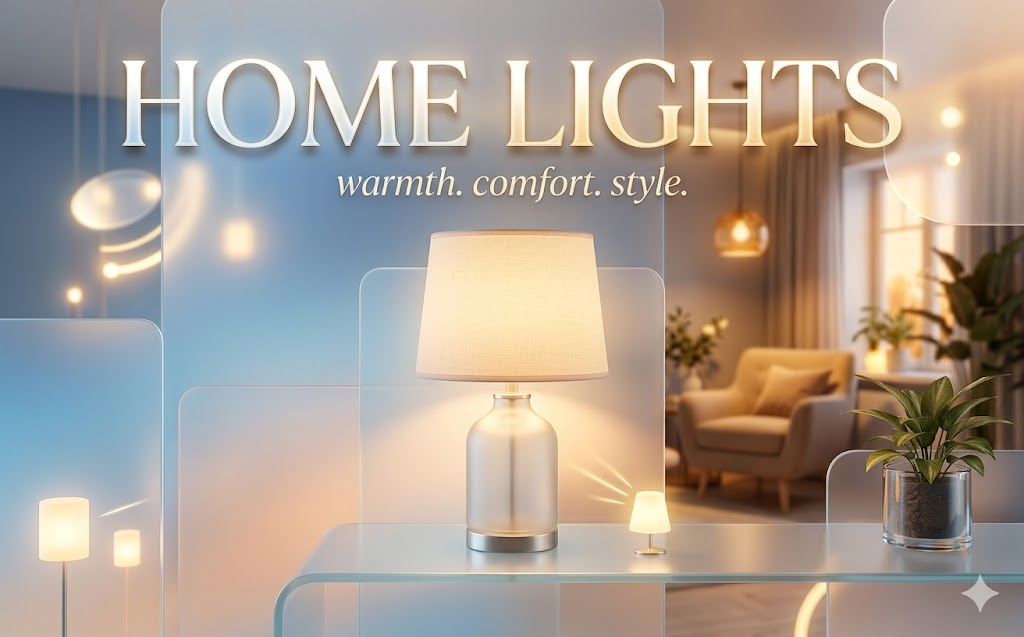
Well-planned lighting enhances both the aesthetic and practical aspects of a home. Platforms like decoradhouse provide lighting tips tailored to each room, ensuring optimal illumination and style.
Sustainable and Eco-Friendly Design

Sustainability is becoming increasingly important in modern home decoration. Eco-friendly practices include:
- Using recycled or upcycled materials for furniture and décor.
- Selecting energy-efficient lighting and appliances.
- Incorporating indoor plants to improve air quality and ambiance.
- Choosing low-VOC paints and finishes to minimize environmental impact.
Following guidance from decoradhouse, homeowners can adopt sustainable practices without sacrificing style, creating environmentally responsible and aesthetically pleasing spaces.
Smart Home Integration
Technology integration is a defining feature of modern homes. Smart devices enhance convenience, security, and efficiency:
- Smart lighting and thermostats for energy management.
- Automated blinds and curtains for comfort and privacy.
- Security systems with cameras, alarms, and remote monitoring.
- Home assistants to manage tasks, entertainment, and connectivity.
Platforms such as decoradhouse highlight strategies for incorporating technology seamlessly into home design, ensuring both functionality and visual harmony.
Seasonal Decoration and Flexibility
Home décor is not static; adapting spaces to seasonal changes keeps environments fresh and engaging:
- Light fabrics and vibrant colors in spring and summer.
- Warm tones, cozy textiles, and layered accessories in fall and winter.
- Temporary décor items, such as pillows, throws, and wall art, for festive or seasonal themes.
Advice from decoradhouse emphasizes flexible, adaptable design strategies that allow homeowners to refresh their interiors regularly without major renovations.
DIY Decoration and Personal Projects
DIY projects enable homeowners to personalize their spaces affordably:
- Customizing furniture with paint or upholstery.
- Creating handmade decorative items, such as wall art or centerpieces.
- Repurposing existing materials for functional or aesthetic improvements.
- Engaging family members in collaborative projects to strengthen bonds and creativity.
Many of the ideas promoted by decoradhouse encourage creative DIY solutions, allowing homeowners to produce unique and meaningful interior designs.
Conclusion
Home decoration is a dynamic and rewarding pursuit that blends creativity, functionality, and personal expression. Platforms like decoradhouse provide invaluable guidance for every aspect of modern interior design—from color selection and furniture arrangement to lighting, technology integration, and sustainable practices.
By exploring curated content, adopting practical strategies, and staying informed about current trends, homeowners can create harmonious, stylish, and comfortable spaces. Following the examples and insights offered by decordhouse ensures that each room reflects personality, maximizes functionality, and adheres to modern design principles.
Whether designing a single room, renovating an entire home, or pursuing seasonal decoration updates, using a structured, informed approach inspired by decordhouse guarantees spaces that are both visually appealing and functionally effective.





Leave a Reply