
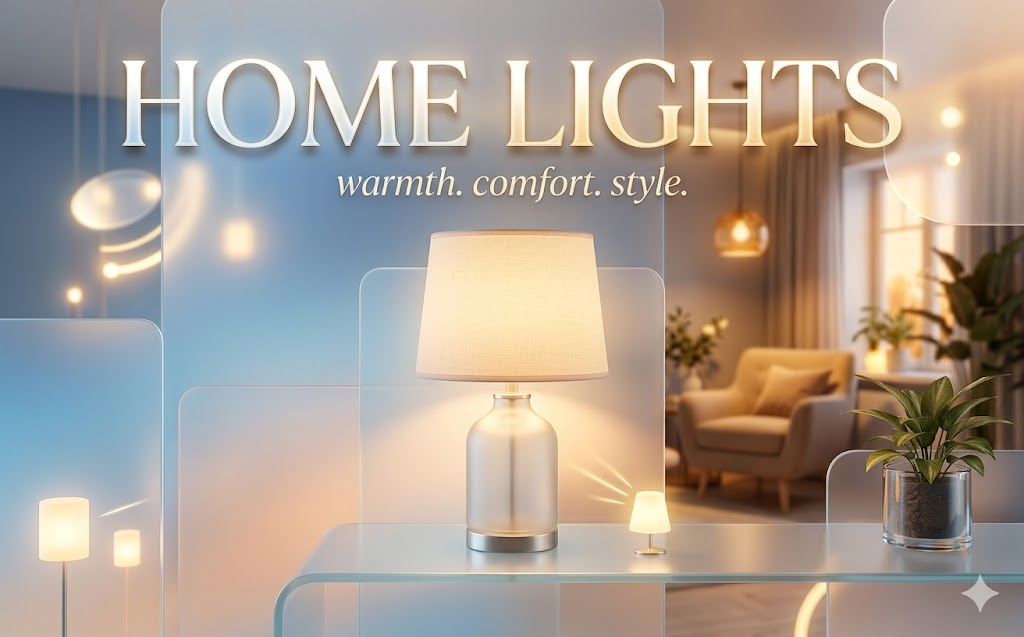
Home lighting plays a powerful role in shaping the atmosphere, comfort, and functionality of any living space. Whether you are designing a new house or upgrading an existing one, choosing the right lighting can completely transform the way your home feels. Good lighting is not only about brightness but also about mood, style, and energy efficiency. In modern interior design, lighting has become just as important as furniture and wall colors. With the right selection of fixtures and placement, you can make small rooms look larger, dull spaces more vibrant, and ordinary corners more inviting. Today, homeowners have access to a wide variety of Home Lights options that suit different needs and preferences, making it easier than ever to create a personalized environment.
Importance of Lighting in Home Design
Lighting is a key element in interior design that affects both visual appeal and daily living comfort. Proper lighting improves visibility, reduces eye strain, and enhances productivity in workspaces inside the home. It also highlights architectural features and decorative elements, adding depth and character to rooms. Without adequate lighting, even beautifully designed spaces can feel dull and uninviting. Natural light combined with artificial sources creates balance and harmony in a home environment. In addition, lighting influences emotions, as warm tones create a cozy feeling while cool tones promote focus and alertness. This makes lighting an essential part of both aesthetics and functionality.
Types of Home Lights
There are several types of lighting used in modern homes, each serving a specific purpose. Ambient lighting provides overall illumination and is usually the main source of light in a room. Task lighting focuses on specific areas where activities such as reading, cooking, or studying take place. Accent lighting is used to highlight decorative features like artwork, wall textures, or indoor plants. Decorative lighting, such as chandeliers and stylish lamps, adds elegance and personality to interiors. LED lighting has become increasingly popular due to its energy efficiency and long lifespan. Understanding these types helps homeowners layer lighting effectively for both beauty and practicality.
Living Room Lighting Ideas
The living room is often the central gathering space in a home, so its lighting should be both functional and inviting. A combination of ceiling lights, floor lamps, and wall fixtures works best to create a balanced environment. Soft ambient lighting helps set a relaxing mood for family time and entertainment. Accent lights can be used to highlight paintings, shelves, or television areas, adding depth to the room. Dimmable lights are also a great option, allowing you to adjust brightness based on different occasions. Choosing warm color temperatures enhances comfort and makes the living room feel more welcoming for guests and family members.
Bedroom Lighting Setup
Bedroom lighting should focus on relaxation and comfort, creating a peaceful environment for rest. Soft ambient lighting is ideal for general use, while bedside lamps provide convenient task lighting for reading or nighttime activities. Warm light tones are recommended because they promote calmness and help improve sleep quality. Avoid overly bright or harsh lighting in bedrooms, as it can disrupt relaxation. Accent lighting can be used behind headboards or wardrobes for a modern touch. Smart lighting systems are also becoming popular in bedrooms, allowing users to control brightness and color temperature with ease.
Kitchen Lighting Design
Kitchen lighting requires a combination of brightness and precision since it is a functional workspace. Task lighting is essential above countertops, cooking areas, and sinks to ensure safety and accuracy while preparing meals. Ceiling-mounted lights provide general illumination, while under-cabinet lights improve visibility in work areas. Bright white lighting is often preferred in kitchens because it enhances clarity and cleanliness. Pendant lights over kitchen islands add both style and functionality. Proper lighting design in the kitchen not only improves efficiency but also enhances the overall cooking experience.
Outdoor Home Lighting
Outdoor lighting enhances security, safety, and the visual appeal of a property. Pathway lights help guide movement during nighttime, while wall-mounted fixtures improve visibility around entrances. Garden lighting can highlight plants, trees, and landscape features, creating a beautiful nighttime view. Motion sensor lights are commonly used for security purposes, automatically turning on when movement is detected. Floodlights provide strong illumination for large outdoor areas. Well-planned outdoor lighting not only increases safety but also adds charm and elegance to the exterior of a home.
Energy Efficiency in Lighting
Energy-efficient lighting is becoming increasingly important for modern households. LED bulbs are the most popular choice due to their low power consumption and long lifespan. They produce less heat compared to traditional bulbs, making them safer and more cost-effective. Using energy-saving lighting solutions helps reduce electricity bills and environmental impact. Smart lighting systems also contribute to efficiency by allowing users to schedule and control usage. Choosing the right wattage and avoiding unnecessary lighting can further improve energy savings. Sustainable lighting practices benefit both homeowners and the environment.
Smart Home Lighting Technology
Smart lighting has revolutionized the way people control illumination in their homes. With mobile apps and voice assistants, users can easily adjust brightness, color, and timing. These systems offer convenience and customization, allowing homeowners to create different lighting scenes for various activities. Smart bulbs can be programmed to turn on or off automatically, improving security and energy management. Integration with smart home systems makes lighting more efficient and interactive. This technology is especially useful for modern lifestyles where convenience and automation are highly valued.
Buying Guide for Home Lights
When selecting home lighting, several factors should be considered to make the best choice. Room size, purpose, and interior design style all play important roles in decision-making. It is important to choose lighting fixtures that match the overall theme of the home. Energy efficiency, durability, and maintenance requirements should also be evaluated. Checking color temperature helps ensure the right mood is created in each space. Budget is another key factor, as lighting options range from affordable to premium designs. A thoughtful selection process ensures long-term satisfaction and functionality.
Conclusion
Lighting is one of the most important aspects of home design, influencing both appearance and comfort. From living rooms to outdoor spaces, every area requires careful lighting planning to achieve the desired effect. With modern advancements in technology, homeowners now have access to efficient, stylish, and smart lighting solutions. Choosing the right combination of fixtures, colors, and placements can dramatically improve the quality of living spaces. Well-designed lighting not only enhances beauty but also supports daily activities and emotional well-being, making it an essential part of any home.












Leave a Reply