
In the modern world, enhancing the beauty, functionality, and comfort of your living space has become a priority for homeowners. Whether you are moving into a new home, renovating an older property, or simply seeking to refresh your existing décor, thoughtful upgrades can significantly enhance your quality of life. Home improvement is not just about aesthetics—it also involves creating practical, organized, and enjoyable spaces for daily living.
This comprehensive guide offers expert upgrading tips decoradhouse, providing step-by-step strategies, innovative ideas, and practical advice for every room and corner of your home. From furniture selection and lighting to wall treatments and storage solutions, these tips aim to help homeowners make informed decisions, avoid common mistakes, and achieve a stylish, comfortable, and functional home environment.
By following these insights, you will not only improve your living space but also increase the value of your property, streamline daily routines, and create an environment that reflects your personal style. Throughout this article, you will find practical suggestions, design principles, and expert advice to help answer the question: how can upgrading your home truly enhance both functionality and beauty?
Understanding Home Upgrades
1. Why Home Upgrades Matter
Home upgrades are not merely a trend—they are essential for maintaining a home’s value, comfort, and efficiency. A well-planned upgrade improves daily living, reduces long-term maintenance costs, and creates a welcoming environment for family and guests. garden tips decoradhouse
Key reasons to consider upgrading include:
- Increasing property value
- Enhancing comfort and functionality
- Improving aesthetics and style
- Incorporating energy-efficient and modern solutions
When planning upgrades, homeowners should consider both immediate needs and long-term benefits to ensure sustainable and worthwhile improvements.
2. Setting Priorities for Upgrades
Before starting any project, it is crucial to determine which areas of your home need attention first. Not every space requires a full overhaul. Prioritize based on functionality, usage, and aesthetic impact.
- High-traffic areas: Kitchens, bathrooms, and living rooms often benefit most from upgrades.
- Energy efficiency improvements: Windows, insulation, and lighting can reduce costs over time.
- Storage optimization: Closets, cabinets, and shelving can be updated to maximize space.
Incorporating upgrading tips decoradhouse at this stage ensures that your planning is strategic and efficient.
Key Areas for Home Improvement
1. Living Room Enhancements
The living room is often the heart of a home. Key upgrades can include:
- Furniture placement: Arrange furniture to promote conversation and maximize space.
- Lighting: Layered lighting with floor lamps, ceiling fixtures, and accent lighting improves both functionality and ambiance.
- Decor: Rugs, wall art, and decorative cushions can add texture and personality.
Small changes, such as updated throw pillows or a fresh coat of paint, can drastically alter the feel of the room. Following upgrading tips decoradhouse helps maintain balance between style and function.
2. Kitchen Upgrades
Kitchens are central to both functionality and aesthetics. Upgrades should focus on usability, storage, and modern design:
- Countertops and surfaces: Durable materials like quartz or granite elevate appearance while resisting wear.
- Cabinetry: Installing soft-close doors, pull-out drawers, or open shelving increases usability.
- Appliances: Energy-efficient appliances save costs while modernizing your kitchen.
Implementing these suggestions alongside upgrading tips decoradhouse ensures a kitchen that is both stylish and practical.
3. Bathroom Renovations
Bathrooms offer great potential for both luxury and efficiency. Strategic upgrades include:
- Fixtures: Replacing faucets, showerheads, and toilets with modern designs improves both appearance and water efficiency.
- Lighting: Proper task lighting near mirrors and ambient lighting create a spa-like atmosphere.
- Storage: Floating vanities, medicine cabinets, and wall-mounted shelves help maintain organization.
Incorporating upgrading tips decoradhouse ensures your bathroom renovation is both functional and visually appealing.
4. Bedroom Improvements
Bedrooms should be serene, comfortable, and organized. Key improvements include:
- Bed and mattress upgrades: Investing in quality mattresses improves sleep quality.
- Storage solutions: Under-bed storage, custom closets, and multi-functional furniture maximize space.
- Decor: Wall colors, curtains, and accent pieces set the tone for relaxation.
Following upgrading tips decoradhouse ensures that the bedroom becomes a personal sanctuary, blending aesthetics with comfort.
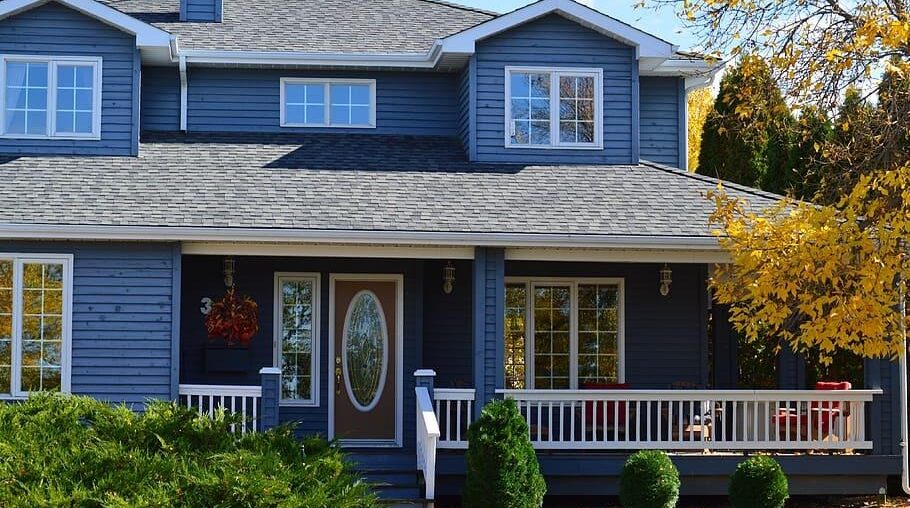
5. Outdoor Spaces
Outdoor areas, including patios, gardens, and balconies, can also be upgraded for relaxation and entertainment:
- Seating arrangements: Comfortable outdoor furniture encourages gatherings and leisure.
- Landscaping: Plants, trees, and shrubs enhance natural beauty and privacy.
- Lighting: Solar-powered path lights, string lights, or lanterns improve safety and ambiance.
Applying upgrading tips decoradhouse helps make outdoor spaces an extension of your home, functional and visually inviting.
Interior Design Principles for Upgrades
1. Balance and Symmetry
A well-balanced space promotes harmony. Furniture and décor should be distributed evenly, with symmetry creating a sense of order.
2. Color Coordination
Choose color palettes that complement existing elements while introducing contrast or focal points. Accent walls, rugs, and accessories can unify a space without overwhelming it.
3. Functionality First
Design should never compromise usability. Ensure upgrades, like storage solutions or lighting, enhance daily activities.
4. Layering Textures and Materials
Combining textures—wood, metal, fabric—creates visual interest. Layering adds depth and sophistication to each room.
Using upgrading tips decoradhouse allows these design principles to be applied effectively for a cohesive home upgrade.
Budgeting and Planning Upgrades
1. Setting a Budget
Establishing a budget ensures that your project is financially manageable. Divide costs into:
- Materials and supplies
- Labor or contractor fees
- Unexpected contingencies
2. Prioritizing Upgrades
Not all improvements are urgent. Identify high-impact upgrades first to maximize value.
3. DIY vs Professional Help
Deciding between DIY and professional services affects cost and quality. Simple painting or decor updates can be done independently, while complex renovations benefit from expert intervention.
Upgrading tips decoradhouse recommend assessing skill levels and project complexity before deciding on the approach.
Sustainable and Smart Home Improvements
Sustainability is increasingly vital in home upgrades. Smart, eco-friendly upgrades include:
- Energy-efficient lighting and appliances reduce consumption.
- Low-VOC paints and eco-friendly materials enhance indoor air quality.
- Smart home systems improve energy management and convenience.
Integrating these changes using upgrading tips decoradhouse ensures long-term benefits for both the environment and your household.
Common Mistakes to Avoid
Even with the best planning, mistakes can occur. Common pitfalls include:
- Overcrowding spaces with furniture or décor
- Ignoring lighting and ventilation needs
- Overestimating DIY capabilities
- Neglecting budget and contingency planning
Following upgrading tips decoradhouse helps avoid these mistakes, ensuring upgrades are both effective and visually appealing.
Innovative Trends in Home Upgrades
1. Smart Home Integration
Automation for lighting, climate control, and security improves convenience and energy efficiency.
2. Multi-functional Spaces
Rooms designed for multiple purposes—home office, guest room, or gym—optimize available space.
3. Minimalist and Sustainable Design
Less clutter, clean lines, and eco-conscious materials remain popular, creating a timeless aesthetic.
These trends, combined with upgrading tips decoradhouse, ensure your home feels modern, functional, and stylish.
FAQs
Q1: What are the best starting points for home upgrades?
A1: Focus on high-traffic areas like kitchens, living rooms, and bathrooms first, as they offer the highest impact on functionality and aesthetics.
Q2: How can I manage a budget for upgrades?
A2: Create a clear budget including materials, labor, and contingencies, and prioritize high-impact projects first.
Q3: Are DIY upgrades recommended?
A3: Simple projects like painting or décor changes can be DIY, but complex renovations benefit from professional expertise.
Q4: How do I make my upgrades sustainable?
A4: Use energy-efficient appliances, eco-friendly materials, and smart home technologies to reduce long-term costs and environmental impact.
Q5: What design principles are most important?
A5: Balance, color coordination, functionality, and layering textures are essential for visually cohesive and practical upgrades.
Q6: How do I avoid overcrowding rooms?
A6: Prioritize essential furniture, maintain open pathways, and choose multi-functional pieces to maximize space.
Q7: Are outdoor upgrades worth the investment?
A7: Yes, functional and aesthetic outdoor spaces increase property value and provide enjoyable areas for relaxation and entertaining.
Q8: How can technology enhance home upgrades?
A8: Smart home systems allow automation of lighting, security, and climate control, improving convenience and energy efficiency.
Q9: What is the best approach to renovation planning?
A9: Start with a clear vision, prioritize projects, allocate a budget, and decide whether to DIY or hire professionals.
Q10: How do I know if my upgrades are successful?
A10: Measure improvements by functionality, aesthetics, comfort, and long-term efficiency. Feedback from residents and guests can also help assess success.
Conclusion
Upgrading your home is more than a cosmetic endeavor; it is an investment in comfort, functionality, and long-term value. Whether enhancing indoor rooms, outdoor spaces, or overall aesthetics, carefully planned upgrades make a significant difference in daily living.
By following expert upgrading tips decoradhouse, homeowners can approach renovations strategically, avoid common pitfalls, and achieve a balance between beauty, practicality, and sustainability. Thoughtful upgrades improve efficiency, create visually harmonious spaces, and foster a home environment that reflects personal style and lifestyle needs.
Ultimately, whether your focus is small decorative touches or major renovations, integrating these insights ensures a home that is both functional and inviting for years to come.






Leave a Reply