
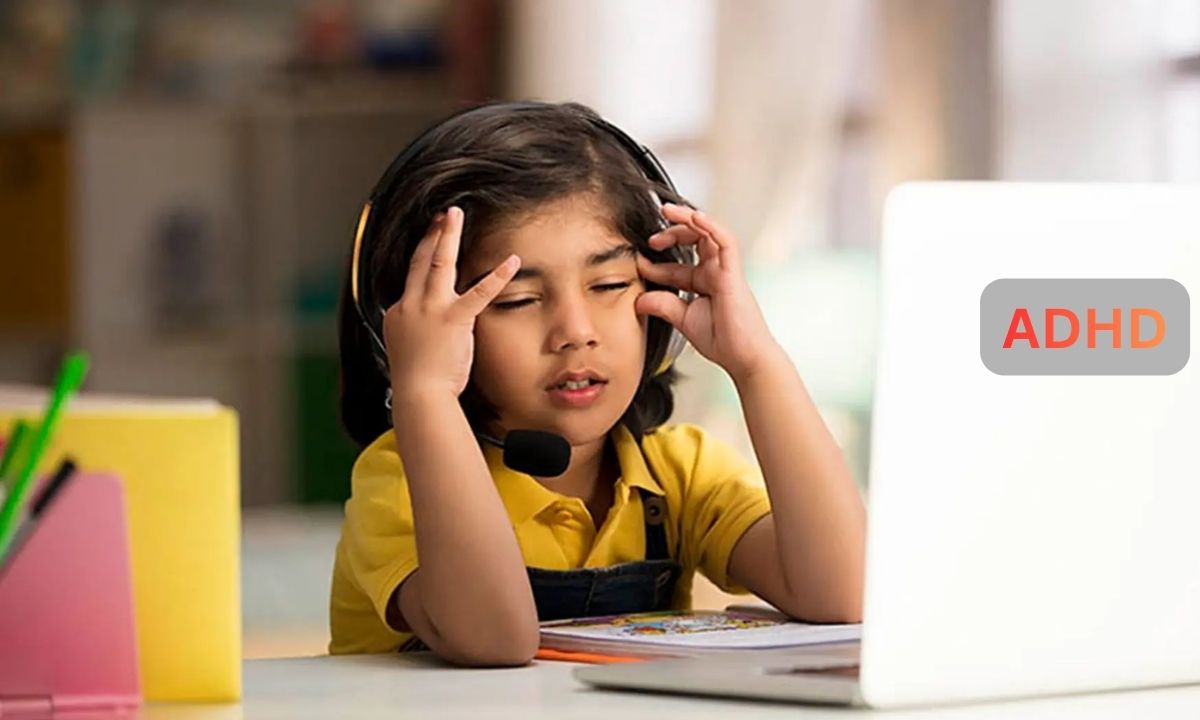
Parenting a child with ADHD (Attention-Deficit/Hyperactivity Disorder) can feel overwhelming, especially when behaviors seem unpredictable or difficult to manage. However, understanding the root of these behaviors is the first step toward creating a supportive and nurturing environment. ADHD is not simply about “bad behavior” — it is a neurodevelopmental condition that affects how a child thinks, processes information, and interacts with the world.
What ADHD Behavior Really Means
Children with ADHD often display three main types of symptoms: inattention, hyperactivity, and impulsivity. These behaviors are not intentional. Instead, they are linked to how the brain develops and functions.
A child who struggles to sit still is not necessarily being defiant. A child who interrupts constantly may not realize they are doing so. Recognizing this distinction helps parents shift from frustration to understanding.
Common ADHD Behaviors in Children
ADHD can show up differently in every child, but some common patterns include:
- Difficulty focusing on tasks or instructions
- Frequent forgetfulness
- Excessive talking or movement
- Impulsive decisions without thinking about consequences
- Emotional outbursts or frustration
These behaviors can affect school performance, friendships, and family relationships if not properly managed.
Why Understanding Behavior Matters
When parents misunderstand ADHD behaviors as intentional misbehavior, it can lead to punishment rather than support. This often worsens the situation, causing children to feel misunderstood or discouraged.
Understanding ADHD allows parents to:
- Respond with patience instead of frustration
- Use effective discipline strategies
- Build stronger emotional connections with their child
The Brain Behind ADHD
Research shows that ADHD affects areas of the brain responsible for executive functioning. This includes skills like:
- Planning and organizing
- Managing time
- Controlling impulses
- Maintaining attention
Children with ADHD may know what they are supposed to do, but struggle to actually do it consistently.
Building a Structured Routine
Children with ADHD thrive on structure. A predictable routine reduces anxiety and helps them stay focused.
Parents can create structure by:
- Setting consistent wake-up and bedtime schedules
- Breaking tasks into smaller steps
- Using visual schedules or charts
- Providing reminders for transitions
Consistency is key. Even small routines can make a big difference in behavior.
Positive Reinforcement Works Best
Punishment alone is rarely effective for children with ADHD. Instead, positive reinforcement encourages good behavior.
Try strategies like:
- Praising effort rather than results
- Rewarding small achievements
- Using sticker charts or point systems
When children feel recognized, they are more likely to repeat positive behaviors.
Managing Emotional Outbursts
Many children with ADHD experience strong emotions. They may get frustrated quickly or have difficulty calming down.
Parents can help by:
- Staying calm during emotional moments
- Teaching coping skills like deep breathing
- Giving the child space to cool down
- Talking through feelings after the situation
Emotional coaching helps children learn how to regulate themselves over time.
Supporting School Success
ADHD can impact academic performance, but with the right support, children can succeed.
Parents can:
- Communicate regularly with teachers
- Request classroom accommodations
- Help create a distraction-free study space at home
- Encourage short, focused study sessions
Collaboration between parents and educators is essential.
Encouraging Social Skills
Children with ADHD may struggle with friendships due to impulsive behavior or difficulty following social cues.
To help, parents can:
- Practice social scenarios at home
- Teach turn-taking and listening skills
- Encourage group activities with supervision
- Praise positive social interactions
Over time, these skills improve with guidance and patience.
When to Seek Professional Help
If ADHD behaviors significantly affect a child’s daily life, professional support may be necessary. This can include:
- Behavioral therapy
- Parent training programs
- Educational support plans
- Medication in some cases
Early intervention can greatly improve outcomes.
Final Thoughts
Understanding ADHD behavior is not about fixing a child — it’s about supporting them. With patience, structure, and the right strategies, parents can help their children thrive.
Every child with ADHD has unique strengths, from creativity to energy and curiosity. By focusing on these strengths while addressing challenges, parents can create a positive path forward.












Leave a Reply